The walk-and-talk, questions for when you are side-by-side, not face-to-face
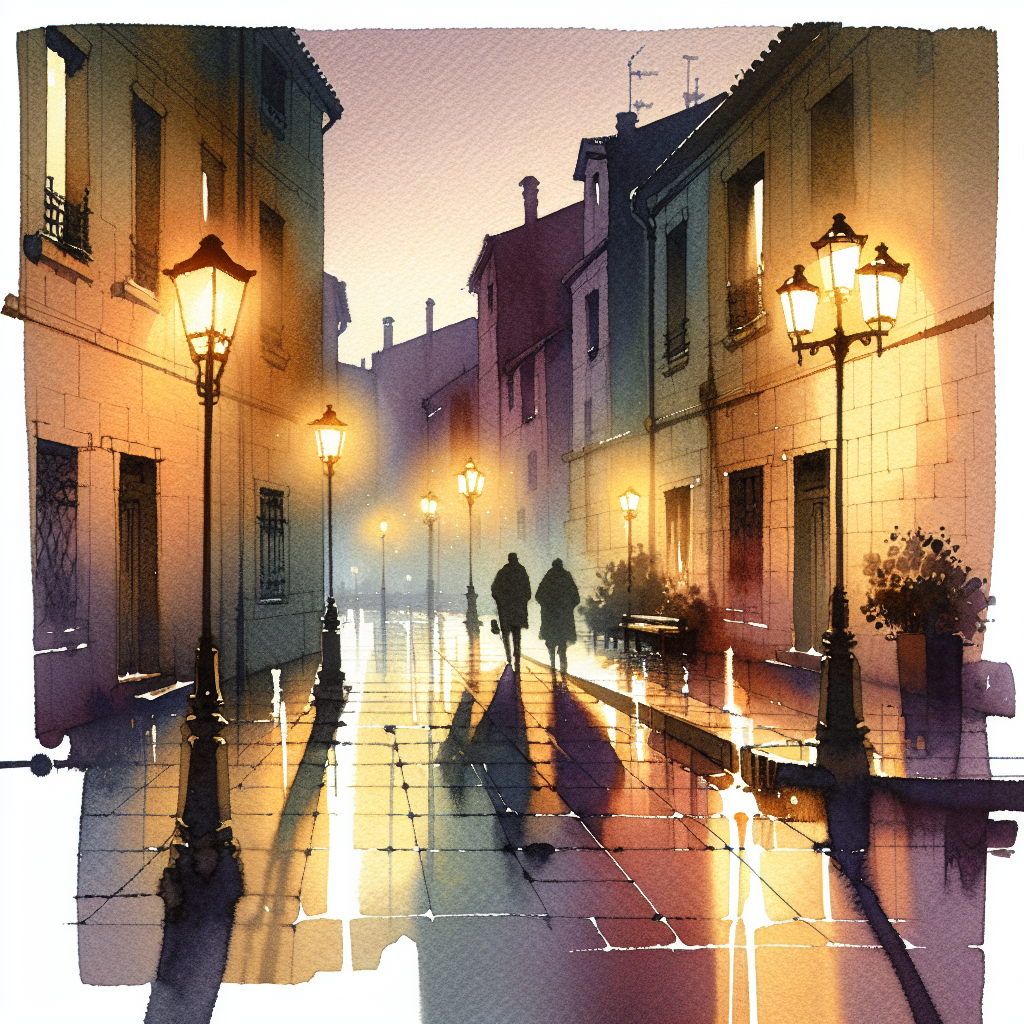
Walking changes the conversational physics. The eye-contact pressure drops. Ambient distractions help fill the silences. The prompts that work are slightly more open-ended because the format invites longer answers. This is part of why first dates that include a walk are often easier than dinners-only, and why the cab home or the walk to the next bar is sometimes the best part of the evening.
Twenty-five prompts in three sub-sections. The walk-friendly opener prompts for the first ten minutes of a walk, the story-told-while-walking prompts that invite a longer answer with no interruption pressure, and the pause-and-look-around prompts that incorporate the actual streets you are on.
For when you can't pick. Random prompt from this pack, drawn fresh each time.
What is the kind of walk you take when you have a problem you are trying to think through?
Walk-friendly opener prompts
Walking changes the conversational physics. The eye-contact pressure drops, the ambient distractions help fill the silences, and the prompts can be slightly more open-ended. These are the openers for the first ten minutes of a walk, after a meal or to the next bar.
What is the kind of walk you take when you have a problem you are trying to think through?
Tells you whether they walk with a purpose or for the air.
What is a part of the city you keep walking past and meaning to explore properly?
Pulls the conversation outward, into the actual streets you are on.
What is the longest walk you have taken in the last year, and where were you in your head when it ended?
Specific. Asks them to remember the inside of their own walk.
What is something you only think about when you are walking, and you have stopped trying to think about it on purpose?
Walking is a thinking medium. Asks them to recognise that.
What is the kind of music or podcast that fits a walk for you, and the kind that ruins one?
Light, easy. Reveals their default rhythm.
What is the city, anywhere in the world, that you would happily spend a week walking around?
More specific than a holiday question. Asks for a walking imagination.
Story-told-while-walking prompts
These are the prompts that invite a longer answer with no interruption pressure. Walking gives the speaker space to find their answer. Resist the urge to fill any pause that follows your question.
What is the most lost you have ever been on a trip, and what happened?
Almost everyone has one. Listen for how they handled it.
What is a place you ended up by accident that turned out to matter?
Asks them to name a serendipity moment.
What was the most surprising thing about the place you grew up, that you only realised later?
Family-of-origin without the freight.
What is a job, or a project, that took you somewhere you would not have chosen, and what did you find there?
Walking pace conversation. Stretches across blocks.
What is a friendship that started in an unlikely way, and how did it stick?
Origin stories are good walking stories.
What is something you taught yourself by walking through it, even if you did not know that was what you were doing?
Many people have one. Often a quiet pride.
What is the moment you knew you had outgrown a place, or a phase, and what did you do about it?
Asks for self-knowledge without an interrogation tone.
What is a job, or a project, that took you somewhere you would not have chosen, and what did you find there?
Pause-and-look-around prompts
These prompts incorporate the actual environment. The building you just passed, the shop on the corner, the way the light is hitting a window. They are the closest to playful that this page gets, and they reward both of you paying attention.
If you could move into one of these buildings for a year, with no other change, which one would you pick?
The walk becomes the prompt. Their answer is half their taste, half their aspiration.
What is the thing about this neighbourhood, or this city, that you would tell a friend about if they came tomorrow?
Local knowledge. Light, easy.
What is the most interesting thing you have ever overheard on a walk like this one?
Asks for a specific memory. Most people have one.
What is the kind of evening that this kind of evening reminds you of?
Pulls the present moment into the conversation. A surprisingly intimate prompt.
What is the version of yourself that exists in this part of town, if it is different from the rest of your life?
Cities have rooms. Worth knowing which one they are in tonight.
What is the kind of place you would build, if you could build any place, anywhere?
Imagination prompt. Walking pace fits it.
What is something specific about right now, this walk, that you think you will remember?
Direct, slightly brave. Use only if the date has earned it.
What is the question you wish someone would ask you on a walk like this one?
Meta-prompt. Often opens the actual answer.
What is a small ritual you have for the end of a long day, the kind that nobody else gets to see?
Quiet, private. Walking-home pace.
What is the kind of silence you find easy with someone, and the kind you find hard?
Names the thing the walk is doing. Gentle, honest.
What is the part of your week that you would happily walk to, and the part you keep avoiding?
Tells you something about their relationship with their own life.
What is the place you would walk back to if you could choose any place, any year?
A closing prompt. Quiet, slightly wistful, fits the format.
The app delivers two hundred more for this stage, plus shuffle, save, and a pre-date primer mode.
It is being built. Read more on the about page, no email gate.